By Vicky Burtis
April 3, 2026
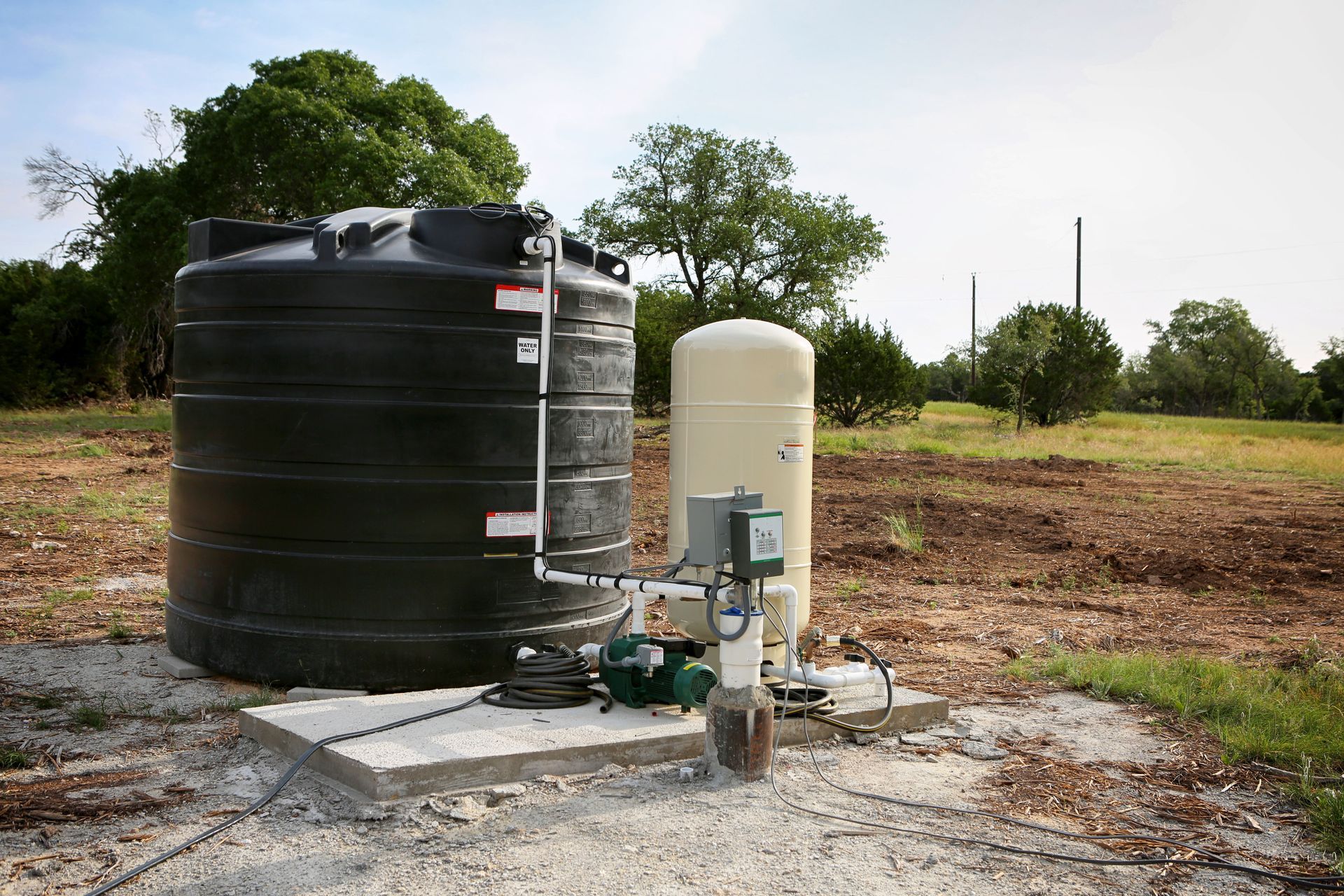
If your home relies on a private well, you are responsible for making sure your water is safe to use. Unlike municipal systems, private wells do not receive routine government monitoring. That makes well water testing in Maryland an essential part of protecting your household’s health and your plumbing system. Regular water analysis helps you identify potential contaminants, understand your water quality, and take action before small issues become serious problems.
What Should You Test for in Maryland Well Water?
Well water can vary widely depending on your location, soil conditions, and nearby environmental factors. A water analysis helps you understand what is present in your water and whether it meets safe standards. At a minimum, homeowners should include bacteria testing to check for harmful microorganisms such as coliform bacteria. These tests can identify contamination from surface water or nearby septic systems.
You should also test for nitrates, which commonly enter groundwater through fertilizer use, agricultural runoff, or leaking septic systems. Elevated nitrate levels can pose serious health risks, particularly for infants, pregnant women, and older adults. In infants, high nitrate exposure has been linked to conditions that reduce the blood’s ability to carry oxygen.
Testing for lead is equally critical. Lead contamination most often comes from older plumbing materials, such as lead service lines and lead-based solder used in pipe joints. It can be present in plumbing systems installed before the late 1980s, before modern safety standards took effect. Over time, lead exposure can contribute to developmental delays in children. For adults, exposure has been associated with increased blood pressure and kidney strain. Routine testing helps identify these risks early so corrective steps, such as corrosion control or plumbing replacement, can protect your household’s water quality.
PFAS also known as “the Forever Chemical” has become an increasing problem for well water and public water through the State and Country. Contact the professionals at Water Doctor to learn more about the health risks associated with these synthetic chemicals and testing programs.
In addition to these key contaminants, a full water analysis may include:
- pH levels and water hardness
- Iron and manganese content
- Sulfur compounds that cause odor
- Dissolved solids
Testing for a broad range of contaminants gives you a complete picture of your water quality and helps guide treatment decisions. This information helps you choose the most effective solutions to improve safety, taste, and plumbing performance.
How Often Should You Test Your Well Water?
Consistent testing plays a key role in maintaining safe water. Experts recommend scheduling well water testing in Maryland at least once per year. Annual testing helps you monitor changes in water quality over time. Even if your water has tested clean in the past, conditions can shift due to weather, nearby construction, or changes in land use.
Certain situations may require more frequent testing. You should schedule additional water analysis if:
- You notice a change in taste, smell, or appearance
- Your household experiences unexplained illness
- After repairs or maintenance on your well system
- Flooding or heavy storms affect your area
You may need to conduct bacteria testing more often, especially if your well is shallow or sits near potential contamination sources. Regular testing provides peace of mind and helps make sure that your water remains safe throughout the year.
What to Do if Your Well Water Test Results Show Contamination
If your test results reveal contamination, the next step involves identifying the source and choosing the right treatment solution. Acting quickly helps prevent further issues and protects your household. Start by reviewing your water analysis with the professionals at Water Doctor. We can explain the results and recommend appropriate actions based on the type and level of contaminants found. In some cases, simple fixes may resolve the issue. For example, disinfecting the well system can eliminate certain types of bacteria.
More complex problems may require installing water treatment systems. Filtration, disinfection, or conditioning systems can remove contaminants and improve water quality. It is also important to address the source of contamination when possible. This may involve repairing the well casing, improving drainage around the well, replacing pipes, or addressing nearby contaminant sources.
Common Well Water Contaminants Found in Maryland Homes
Maryland homes can encounter a variety of well water contaminants due to regional geology and land use patterns. Bacteria remain one of the most common concerns. Coliform bacteria can enter wells through surface water infiltration or faulty well construction. Nitrates often appear in areas with agricultural activity. Fertilizers can seep into groundwater and raise nitrate levels.
Iron and manganese can also affect well water in Maryland. While not always harmful, they can cause staining, discoloration, and unpleasant taste. Understanding these common contaminants helps you stay informed and take proactive steps to protect your water supply. Additionally, while not a health concern, hard minerals can cause plumbing problems. They build up in pipes and cause clogs in appliances such as dishwashers and washing machines.
Schedule Water Treatment Services With Water Doctor
At Water Doctor, we have been serving the residents of Annapolis MD, and the surrounding areas since 1979. Maintaining safe and reliable well water requires more than occasional testing. Professional support helps ensure that your water remains clean. We offer comprehensive water analysis, including testing for bacteria, nitrates, lead, and other contaminants. After testing, we will provide practical recommendations tailored to your specific needs.
Contact us today to schedule your water testing with one of our experienced professionals.